
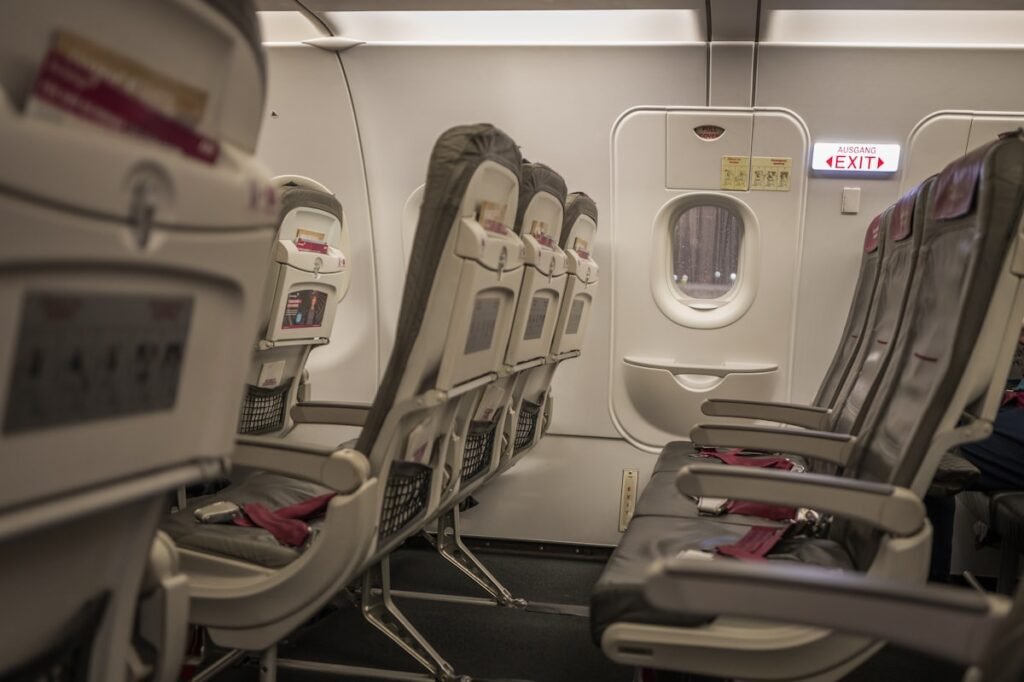
A viral video of a passenger unable to straighten their knees on a WestJet flight set off a chain reaction this winter that ended with the airline pulling seats back out of dozens of jets. If you have booked, or are about to book, a WestJet flight on a Boeing 737, here is what actually changed, why it happened, and how to check what you are getting before you pay.
Key takeaways
- WestJet reconfigured 43 Boeing 737s (inherited from Swoop, Sunwing, and Lynx Air) starting September 2025, cutting seat pitch to as low as 28 inches in a dozen of 22 economy rows.
- After passenger backlash, including a viral video in January 2026, WestJet reversed course, removing one row per aircraft to bring 180 seat jets down to 174 seats and restore roughly 30 inch pitch.
- Transport Canada does not regulate minimum seat pitch, so the fix came from public pressure and WestJet’s own decision, not a rule.
- Air Canada Rouge and Flair Airlines both run tighter economy cabins than mainline carriers, so pitch varies by aircraft even within the same airline, not just between airlines.
- The safest way to know your legroom before booking is to check the specific aircraft type and seat map for your flight, not just the airline name.
What WestJet actually did
Starting in September 2025, WestJet began reconfiguring 43 Boeing 737 aircraft it inherited through its acquisitions of Swoop, Sunwing, and Lynx Air. The plan added a row of seats to each jet by tightening pitch in roughly a dozen of the 22 economy rows down to 28 inches, a spacing more typical of ultra low cost carriers than a full service Canadian airline. By January 2026, 21 of the 43 planes had already been converted, according to reporting by Global News.
The reconfiguration did not go unnoticed. Passengers posted videos showing they could barely move their legs, and the clips spread quickly on social media. WestJet responded by reversing the plan: it will remove one row per aircraft, taking the densified jets from 180 seats back down to 174, and restoring pitch to roughly 30 inches. The airline is pursuing supplemental type certification for the change, and it is keeping the 12 Premium recliners and 36 Extended Comfort economy seats it added during the same refurbishment, as first reported by Runway Girl Network.
WestJet CEO Alexis von Hoensbroech addressed the reversal directly: “WestJet tried seat pitches that are popular with many airlines around the globe as they serve to provide affordable airfares. As an entrepreneurial airline founded on making air travel affordable to Canadians, it’s in our DNA to try new products. At the same time, it is just as important to react quickly if they don’t meet the needs of our guests.”
Why there was nothing stopping it in the first place
The reason WestJet could densify a cabin to 28 inches without breaking any rule is simple: there is not one. Transport Canada regulates safety items like emergency exit row spacing, but it sets no general minimum for economy seat pitch. The Canadian Transportation Agency, which handles some airline complaints, does not have jurisdiction over comfort issues like this either, and its accessibility protections only apply to travellers with disabilities that affect full participation.
Aviation analyst John Gradek called the episode “breaking new ground” and suggested regulators may eventually need to treat pitch as a safety and security question, not just a comfort one, since cramped rows can slow emergency evacuations. For now, though, the only real check on how tight an airline can make its cabin is how loudly customers complain, which is exactly what happened here.
How pitch compares across the airlines you are actually choosing between
Pitch is not a single number per airline. It varies by aircraft, and sometimes by row on the same aircraft. Here is roughly where things stand as of September 2026, useful when you are picking between Air Canada Rouge, WestJet, and Flair for a leisure route.
| Airline | Typical economy pitch | Notes |
|---|---|---|
| WestJet (post reversal) | About 30 inches | 174 seat layout on reconfigured 737s; some older jets never densified |
| WestJet (still mid conversion) | As low as 28 inches | Applies to a shrinking number of jets still awaiting the row removal |
| Air Canada Rouge | Around 29 to 30 inches | Varies by aircraft type (A321, A319, 767) |
| Flair Airlines | Around 28 to 30 inches | Ultra low cost model; Flair does not offer in flight WiFi on any aircraft, unlike Air Canada Rouge and most WestJet planes |
Flair is a useful reference point here because its low pitch is the tradeoff travellers already expect from an ultra low cost carrier in exchange for lower base fares. WestJet’s problem was applying that same spacing to a full service brand without telling anyone in advance.
How to check before you book
Since airline name alone will not tell you what you are getting, check the specific flight. Most booking sites and seat map tools show the aircraft type for each flight number, and a quick search for that aircraft’s seat map will show whether you are looking at a standard or densified cabin. If legroom matters more than price for a longer route, WestJet’s Extended Comfort seats and Air Canada Rouge’s Preferred seats both offer a paid upgrade with several extra inches. On short routes under two hours, most travellers find the difference between 28 and 30 inches manageable, but it is worth knowing which one you are paying for.
For a fuller side by side on fares, baggage, and loyalty programs, our Air Canada vs. WestJet comparison covers the rest of the decision. If a lower base fare matters more to you than a couple of inches of pitch, our Flair Airlines review breaks down what that tradeoff actually looks like in practice. When you are ready to compare live prices instead of averages, search current fares or check last-minute deals for routes with flexible dates.
Deals we are seeing this week
Legroom aside, WestJet is currently running some of the cheapest fares out of Vancouver for short hops to Vancouver Island, both worth grabbing if your dates are flexible.
- Vancouver (YVR) to Comox (YQQ): from $80 CAD round trip on WestJet. Comox is the gateway to the Comox Valley, with some of the best short hikes on the Island and a mild enough climate to visit almost any month.
- Vancouver (YVR) to Victoria (YYJ): from $90 CAD round trip on WestJet. Victoria’s Inner Harbour and the Butchart Gardens make it one of the easiest weekend trips in the country, and the flight itself is barely 25 minutes.
Prices spotted this week, as of September 4, 2026. Fares move fast, check the route page for the live price. For more routes, browse today’s deals.
FAQ
Did WestJet’s seat pitch change apply to all its planes? No. It applied to 43 Boeing 737s inherited from Swoop, Sunwing, and Lynx Air, not WestJet’s original fleet. By January 2026, 21 of those 43 had been converted to the tighter layout before the reversal began, and the rest are being restored to roughly 30 inch pitch.
Is there a rule requiring a minimum seat pitch in Canada? No. Transport Canada regulates safety items like exit row spacing but sets no general minimum for economy seat pitch. The change came from customer backlash and WestJet’s own decision, not from a regulatory requirement.
How can I tell what seat pitch I will get before I fly? Look up the aircraft type shown for your specific flight number, then check that aircraft’s seat map. Pitch varies by plane even within the same airline, so the flight number matters more than which airline you picked.