
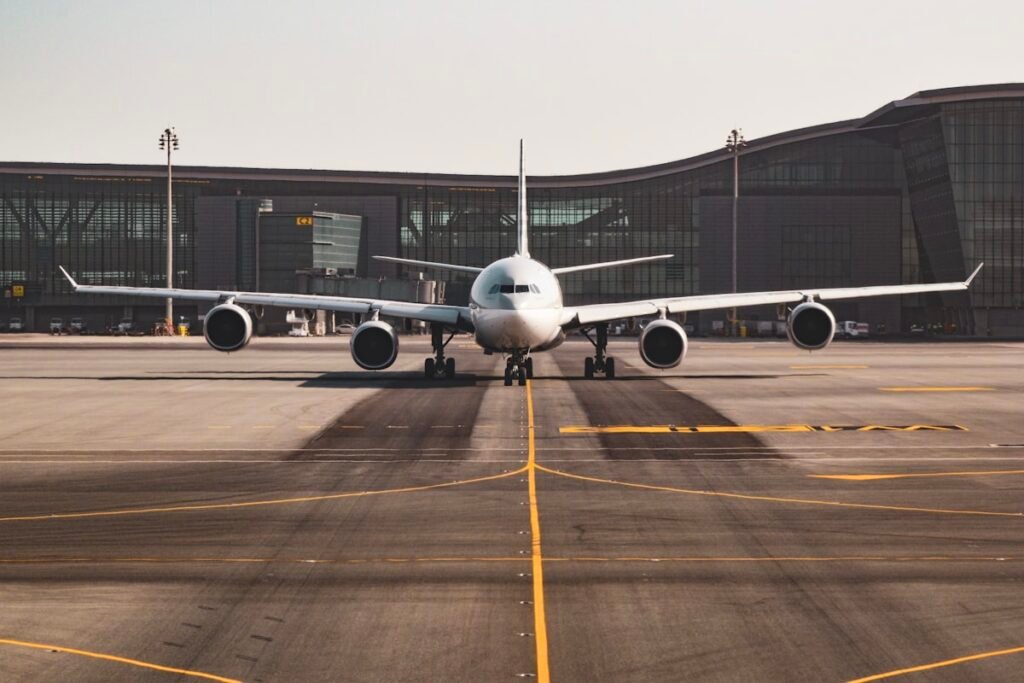
For one chaotic weekend at the start of August, Canada’s second largest airline nearly ground to a halt. Roughly 4,400 WestJet flight attendants, represented by CUPE Local 8125, walked off the job on August 2, 2026 after overnight contract talks collapsed, as reported by CBC News. More than 300 flights were cancelled during the busiest long weekend of the summer, and the ripple effects touched an estimated quarter million travellers across domestic, transborder and international routes.
The walkout was short. By August 3, WestJet and the union had reached a tentative agreement and crews began returning to work. But short does not mean minor. If you were flying that weekend, or you are wondering how to protect yourself the next time a Canadian airline heads toward a labour showdown, this one is worth understanding in detail.
What actually happened over the August long weekend
The dispute had been building for months. CUPE 8125 delivered a strike mandate earlier in the summer with support above 99 percent on a turnout over 97 percent, one of the strongest mandates in recent Canadian airline history. The union served notice, the airline braced, and travellers spent late July refreshing their itineraries.
When talks broke down in the early hours of August 2, the strike began immediately. WestJet cancelled 309 flights in the first wave alone, hitting Calgary, Toronto, Vancouver and Edmonton hardest, along with sun routes and the airline’s new European services. Passengers reported hours-long call centre waits and rebooking windows that stretched days into the following week.
Then it ended almost as quickly as it began. On August 3, the two sides announced a tentative deal, with both strike and lockout notices withdrawn. Flights ramped back up over the following days, though the backlog of displaced passengers took longer to clear than the strike itself lasted.
The deal, in plain terms
The tentative agreement, which still required a ratification vote by cabin crew, is a three-year deal retroactive to January 1, 2026, and it delivers the change the union had made its central demand: ground pay for hours worked. As reported by The Globe and Mail, the deal includes wage increases totalling 18.25 percent over its term plus a new duty pay premium for preboarding and post-landing work, reaching compensation for 100 percent of previously uncredited ground time by December 2028. WestJet’s final offer before the walkout had been framed as a 36 percent increase over four years, with 13 percent on October 1, 2026 followed by 2.5 percent increases on January 1 of 2027, 2028 and 2029, but the union rejected that structure and the strike went ahead.
Ground pay matters more than the headline percentage. Historically, flight attendants at most North American carriers were paid primarily for time when the aircraft doors were closed. Boarding, deplaning, delays at the gate, safety checks, all of that was unpaid or barely paid work. Air Canada’s flight attendants fought the same battle in their own 2025 strike, and the WestJet outcome confirms that ground pay is now the standard demand across Canadian aviation labour, not an outlier.
One important note for travellers: during a ratification period, a strike or lockout is not legally possible. That is why WestJet told customers to book and travel with confidence once the tentative deal was announced. Ratification votes usually pass, but they occasionally fail, and a failed vote restarts the clock on potential job action. Keep that in mind whenever you see the word tentative in a labour headline.
Your rights when an airline strikes: the part most people get wrong
Here is the detail that matters most for your wallet. Under Canada’s Air Passenger Protection Regulations, a strike by an airline’s own employees is treated as a disruption within the carrier’s control. That is completely different from weather.
When a disruption is within the airline’s control, the carrier owes you:
- Meals and refreshments after a delay of two hours
- Hotel accommodation if you are stranded overnight
- Rebooking on the next available flight, including on other airlines when the carrier cannot get you out within 48 hours
- A full refund in the original form of payment if you decline rebooking, regardless of what fare class you bought
Compensation for inconvenience, the cash payments of up to 1,000 dollars, is where it gets murkier. Airlines have argued that strike-related cancellations fall into the within control but required for safety category, which carves out cash compensation. Passenger advocates dispute that framing for labour disruptions, and the federal government has been rewriting the rules to shift the burden of proof onto airlines. Ottawa’s proposed APPR amendments would presume every disruption is within the carrier’s control unless the airline proves an exceptional circumstance applied, and this spring the government committed to clearing the complaint backlog through a third-party dispute resolution body while raising maximum penalties for systemic violations to one million dollars.
The practical takeaway: if WestJet cancelled your flight during the strike, you were owed a refund or rebooking at minimum, plus meals and hotels if you were stranded mid-journey. File your claim in writing, keep receipts, and do not accept a travel credit if you wanted a refund. Airlines cannot substitute vouchers for refunds under the APPR.
The pattern behind the headlines
Zoom out and the WestJet strike is not an isolated event. Air Canada’s flight attendants struck in August 2025. WestJet’s cabin crew struck in August 2026, and its mechanics and pilots have both taken job action or come to the brink in recent years. Wage settlements across the industry are landing in the 25 to 40 percent range over multi-year terms, which is real money that airlines will look to recover somewhere.
Some of that pressure lands on fares, which were already elevated this summer. Domestic economy fares in late June were running about 11 percent higher than a year earlier even as jet fuel prices eased. Labour costs will not reverse that trend. But competition still works in your favour on specific routes where Porter, Flair and an expanding WestJet Europe network are fighting for the same passengers, which is why route-level shopping beats loyalty to any single carrier right now.
How to protect your next booking
You cannot control when an airline and its union hit an impasse, but you can control how exposed you are. A few habits worth building:
Watch the labour calendar the way you watch the weather. Strike votes, 72-hour strike notices and conciliation deadlines are all public. If you are booking peak summer travel on an airline in open negotiations, that is a risk factor worth pricing in.
Book flights you can walk away from. When labour tension is in the news, favour refundable fares or at least fares on carriers with flexible change policies. The price gap is often smaller than one night in an airport hotel.
Have a plan B airline in mind. When a strike hits, rebooking inventory on other carriers evaporates within hours. Knowing which alternative airlines serve your route lets you move immediately instead of waiting on hold. You can compare every carrier on a route in one view with our flight search, which is exactly the tool you want open when cancellation emails start landing.
Pay with a credit card that carries trip interruption insurance. Card coverage often fills the gaps the APPR leaves, including prepaid hotels and tours you miss because of a cancellation.
And if a disruption strands you with your plans already in pieces, sometimes the cheapest recovery is a completely different trip. Our last-minute deals page tracks fares departing within days, which is useful both for salvaging a broken itinerary and for grabbing the discounted seats airlines release while rebuilding schedules after a disruption.
The WestJet strike lasted barely two days. The lesson lasts longer: in Canadian aviation right now, labour peace is temporary, your APPR rights are permanent, and the traveller who knows both comes out ahead.
FAQ
Am I still owed anything if WestJet cancelled my flight during the August strike? Yes, potentially. There is no deadline pressure on refunds, and APPR claims for expenses like meals and hotels can be filed after the fact with receipts. Submit your claim to WestJet in writing. If the airline denies it or does not respond within 30 days, you can escalate to the Canadian Transportation Agency.
Is it safe to book WestJet now? Yes. Once a tentative agreement is reached, no strike or lockout can legally occur during the ratification process. The main residual risk is a failed ratification vote, which would restart negotiations, so keep an eye on the vote result if you have booked far in advance.
Does travel insurance cover airline strikes? It depends on timing. Most policies cover strikes only if you bought the policy before the strike became a known event, generally meaning before the strike notice made the news. Buy coverage when you book, not when the headlines start.